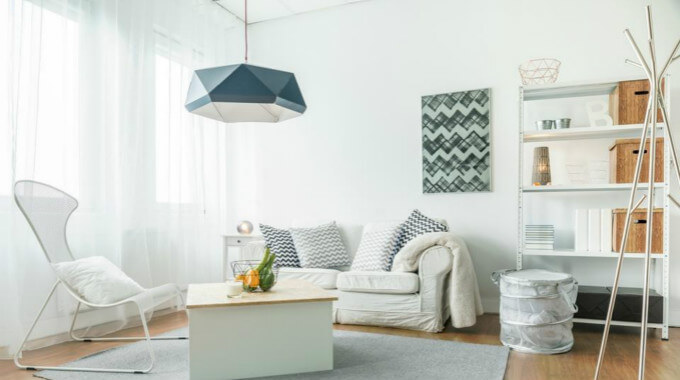
In today’s construction and real estate industry, building inspection interior design decoration has become an essential part of ensuring both aesthetic appeal and structural integrity 驗樓. Whether for residential, commercial, or mixed-use developments, the combination of interior design and decoration with thorough building inspection provides a holistic approach to creating spaces that are not only visually pleasing but also safe, functional, and durable. Understanding how these elements intersect helps property owners, designers, and contractors deliver high-quality environments that meet modern standards and client expectations.
A building inspection serves as the foundation for any interior design or decoration project. Before any aesthetic decisions are made, it is crucial to assess the condition of the property. Inspections examine structural elements such as walls, floors, ceilings, and load-bearing components, ensuring that there are no hidden defects, moisture issues, or weaknesses that could compromise the safety of occupants. Without this critical step, design and decoration efforts may be undermined by long-term maintenance issues or safety hazards.
Integrating building inspection with interior design decoration ensures that the visual aspects of a space are supported by structural reliability. Designers can make informed decisions regarding the placement of furniture, wall finishes, lighting, and decorative elements based on the insights gained from inspection reports. For instance, identifying load-bearing walls or potential moisture-prone areas allows designers to choose materials and layouts that are both aesthetically appealing and practical. This integration reduces costly modifications during or after the design implementation process.
Another important aspect of building inspection interior design decoration is the enhancement of functionality. Interior design is not solely about style; it also involves optimizing the usability and flow of a space. Inspection reports provide information about spatial limitations, wiring, plumbing, and HVAC systems. Designers can then plan the placement of furniture, lighting, and decorative elements in a way that complements the building’s infrastructure. This coordination ensures that the space is comfortable, accessible, and convenient for its intended use.
Material selection is significantly influenced by building inspection findings. For example, identifying areas susceptible to moisture or high foot traffic allows designers to choose appropriate flooring, wall finishes, and protective coatings. Similarly, inspecting existing electrical and mechanical systems guides the selection of lighting fixtures, appliances, and decorative elements that are compatible with the infrastructure. The result is a cohesive design that balances style with durability and safety, reducing long-term maintenance and repair costs.
Safety is a primary concern in any building project, and this is where building inspection interior design decoration shows its true value. Inspections can detect potential hazards such as structural weaknesses, faulty electrical wiring, or improper ventilation. Designers and decorators can then adapt their plans to mitigate these risks. This collaboration ensures that spaces are not only visually appealing but also compliant with safety standards and regulations, providing peace of mind to property owners and occupants.
In addition to safety, building inspection enhances sustainability in interior design decoration. Modern inspections often evaluate energy efficiency, water usage, and material quality. Designers can use this information to select eco-friendly materials, energy-efficient lighting, and sustainable furnishings. By integrating sustainability into the aesthetic and functional aspects of a project, property owners can reduce operational costs, minimize environmental impact, and meet increasingly stringent green building standards.
Collaboration between inspectors, designers, and decorators is crucial in achieving successful outcomes. Effective communication ensures that inspection findings are clearly understood and appropriately addressed in the design process. For example, if an inspection reveals a potential issue with wall alignment, designers can adjust decoration plans or select alternative materials that accommodate the structural limitations. This collaborative approach minimizes misunderstandings and ensures a smooth workflow from inspection to final decoration.
Technological advancements have further strengthened the integration of building inspection interior design decoration. Tools such as 3d scanning, thermal imaging, and digital inspection reports provide detailed insights into building conditions. Designers can use these data points to create accurate visualizations, plan layouts, and select materials that align with both safety standards and aesthetic goals. Additionally, software that merges inspection data with design plans allows for real-time adjustments, improving efficiency and precision throughout the project lifecycle.
Lighting and ambiance are key elements in interior design decoration, and building inspection directly influences their implementation. Inspecting natural light sources, window placement, and electrical systems allows designers to optimize lighting plans. Proper lighting enhances visual appeal, improves functionality, and contributes to the psychological well-being of occupants. Combining inspection data with design creativity ensures that lighting is both beautiful and practical.
The inspection process also affects the choice of decorative elements such as wall panels, furniture, and artwork. Understanding load capacities, moisture levels, and structural limitations helps decorators select items that are safe and appropriate for the space. For instance, heavy wall-mounted decorations require knowledge of wall strength, while areas prone to humidity may require moisture-resistant materials. This integration of inspection findings into decoration decisions prevents accidents and ensures the longevity of decorative features.
Ergonomics and accessibility are additional factors influenced by building inspection. Measurements of ceiling heights, doorway widths, staircases, and floor levels provide designers with critical information for creating spaces that are comfortable and accessible to all users. Integrating ergonomic principles with decorative elements ensures that interior spaces meet functional needs without compromising style. This approach enhances user satisfaction and supports inclusivity in modern design practices.
Maintenance planning is another benefit of combining building inspection with interior design decoration. Inspection reports identify potential problem areas that may require future attention. Designers and decorators can implement preventive measures, select durable materials, and plan layouts that simplify cleaning and upkeep. This foresight extends the life of interior finishes and decorative elements while reducing long-term costs for property owners.
In commercial and public spaces, building inspection interior design decoration plays a critical role in compliance and liability management. Inspections ensure that structures meet building codes and regulations, while thoughtful design enhances accessibility, safety, and usability. Proper decoration aligned with inspection findings also contributes to creating professional and welcoming environments, which can positively influence client perception and employee satisfaction.
Budget management is closely linked to the integration of inspection and design. By understanding the building’s condition, designers can allocate resources effectively, prioritize essential repairs, and select appropriate decorative materials. This reduces unexpected costs and ensures that financial resources are used efficiently throughout the project. A well-planned combination of inspection and design maximizes value for property owners while achieving high-quality results.
The intersection of building inspection and interior design decoration is particularly important in renovation projects. Older buildings often have hidden structural issues or outdated systems that must be addressed before aesthetic improvements can be implemented. Thorough inspection provides the data necessary to make informed design choices, ensuring that renovations enhance both the safety and beauty of the space.